On behalf of the non-profit organization “Aide Gandiole” we designed a modest football stadium for the town of Gandiole and its football club. The project basically consists of two walls around a soccer field, the outer wall and the dividing wall between the playing field and the spectator zone. Both walls are connected by a tribune. The outer wall of the stadium is made of bricks designed specifically for this building. They are arranged so that they form a non-repetive relief and allow different degrees of transparency. Two gates to the north and south provide access for spectators (north) and players (south). Four buildings adjoining the outer wall house the entrance area, the cloakroom for players, the toilets for the spectators and an office with storage space for the sports club’s materials.

An urban and architectural overall concept in three stages is wanted for a former industrial printing area covering approximately 55’000 m2 close to the center of Zofingen by five invited architectural firms.

This should serve as a basis for a future revision of the zoning plan and define an appropriate construction and circulation concept for the area as well as define the urban density, building heights, open and public spaces, parking concept and commercial zones.

The area is divided by the main building in a northeastern strip along the railway and the southwestern construction zone. The basic idea of our project is to compress the current spatial vacuum on the area into a central public open space. It is reminiscent of the seam between residential settlement and industry zones, but with a positive connotation as a public park, which is a new link and identification space of the urban area of Zofingen’s center beyond the railway.

At the intersection of the new axesis a solitaire skyscraper is placed. It is a large orientation point for the path link to the station and the public park.

The southern area is interpreted as a residential field offering “urban living within the green”. The symbiosis of urban scale and density, as well as the quality of private green space in converted into a typology of an open, point-edge building placement, that can optimally accommodate the requirements of the three stages of the development.

Client : Swissprinters AG
Location : Zofingen
Project team : in collaboration with Corinna Menn Architecture LLC (ARGE), Jan Henrik Hansen, Reinhard Prikoszovich, Gaia Pelizzari, Regula Andriuet, Lorenz Eugster (landscape architect), David Opliger (traffic planer)
Status : invited competition, completed 2015

The existing school facilities are located in a historically grown, listed building ensemble and scenery which forms a demanding context. The aim is to expand the existing complex within the meaning of the existing qualities. The new building will thus be integrated into the system as a continuation of the inventory. However, the extension of the special education school emancipates in situational terms insofar that it remains unaffected from its historically evolved context. Thus the new sports hall and school with four classes along with the swimming pool and outdoor sport zone define a new focus for the special education school.

Promoter : Amt für Grundstücke und Gebäude des Kantons Bern, open competition
Location : Educational Center for Hearing and Language Münchenbuchsee
Project team : Jan Henrik Hansen, Reinhard Prikoszovich, Roman Zulauf, Pascale Akkerman (Xeros Landschaftsarchitects), Iwan Besmer (structural engineer, Besmer Brunner GmbH)
Status : competition completed 2014

The structure of the new primary school Schauenberg divides the site into two characteristic outside areas – an urban square with enclosed schoolyard as the new focus of the neighborhood and face of the school, as well as a connected sports ground embedded in the green surroundings on a lower level. By placing the sports hall underground, the whole building only reaches a maximum of two floors above ground, which is believed to be a suitable scale for a students in primary school. By developing a connection between the different sports areas the whole complex is connected to the neighborhood and represents a tangible value for the local community.

Promoter : City of Zurich, Building Department, open competition 2013
Location : Zurich
Project Team : Jan Henrik Hansen, Reinhard Prikoszovich, Imogen Macpherson, Lorenz Eugster (landscape architect), Claus Meier (structural engineer, Ernst Basler + Partner AG), Heinz Richter (building services planner, Ernst Basler + Partner AG)
Status : competition completed 2014
Renderings : Nightnurse Images

A spatially tangible translation of the national anthem of the United States creates a walkable urban structure in Manhattan. 

As a hybrid between sculpture, architecture and landscape it is primarily understood as outer space, as a vertical park, which is determined for and open to the public. Possible location is the southern tip of Manhattan, on or in the waters of the Hudson and East River.


Project : Internal Research
Location : New York, USA
Status : Idea Study 2009

The goal of the project is the creation of a better infrastructure for an ambitious baker, who meanwhile is supplying the whole region with his bread. The building houses the work and sales area of the bakery as well as the living space of the baker. Within the walls of the square plot boundary two diagonal zones with attached courtyards are formed, which offer room for the bakers various tasks. A specifically designed and locally poured stone forms a layer, which connects the commercial and private zones, while still providing a suitable boundary. The design has been developed in close dialogue with the baker.

Client : Aide Gandiole e.V., direct commission 2013
Location : Gandiole, Sénégal, Afrika
Project team : Jan Henrik Hansen, Rolf Iseli, Ioanna Intze
Status : Implementation 2015

The projects intention is to extend the qualities of the existing complex with a convincing project in an aesthetic, technical, economical and ecological sense. The new buildings will be attractively and efficiently integrated into the exterior of the entire complex and are oriented to all sides.

Two differently sized volumes complement the existing structures and integrate into the mostly orthogonal system of the complex. Through their precise placement within the complex and the resulting formation of court yards, they retain the ‘flowing’ landscape and enable an ingenious solution to the functional processes of a school. Additionally surrounding landscape and all current views within and outside the complex, remain intact.

The interior as well as exterior materials are natural as much as possible. The selected materials emanate an atmosphere of warmth and security. The construction is consciously being kept simple by using standardized parts and common, economical materials. Combining this with the structural concept, an economical solution in line with the prerequisites has been sought. Therefore also running the complex is robust and low-cost.

Surfaces are intended as canvases to be shaped by their users and will form a natural patina through their age and use.

The jury’s evaluation can be found at the website of the city of Bern.

Organization : Präsidialdirektion Hochbau Stadt Bern, open competition
Location : Marziliquartier, Bern
Project team : Jan Henrik Hansen, Reinhard Prikoszovich (project manager), Roman Zulauf, Armin Seltz, Lorenz Eugster (landscape architect), Carlo Galmarini (civil engineer)
Status : competition 2nd prize

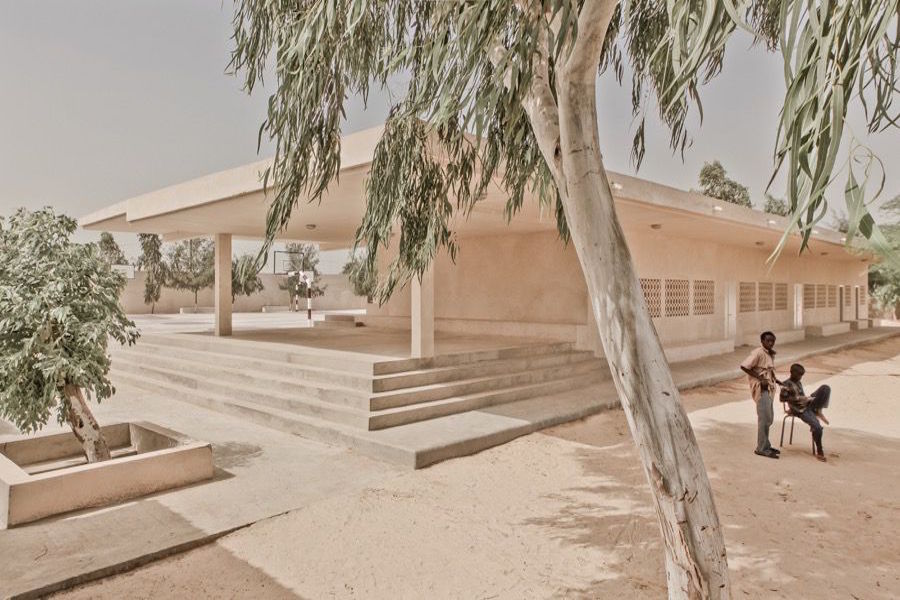
The high school of Gandiole, a fisher village in the north of Sénégal is extended by new class rooms and a sports zone. The new building volume supplements the existing class room facilities to form a quad, thereby defining the school yard, and separating it from the sports area. A multi-purpose roofed zone constitutes the head of the new complex, that can serve as open air class room, as stage or communication zone. The central court yard gives access to three class rooms, a faculty room and a storage area. On the other side of the building facing the sport facilities the roof cantilever provides a sun shaded spectator- and recreation area, equipped with seating tiers. To shield the basket-, volley and handball areas from the winds of the adjacent atlantic ocean, walls with further seating tiers enclose the entire sports zone and evoke the impression of a small stadium.

Client : Aide Gandiole e.V., direct commission 2011
Location : Gandiole, Sénégal, Africa
Project team : in collaboration with Rolf Iseli, Jan Henrik Hansen, Ioanna Intze, Robert Maurer (civil engineer), Ababacar Sambe (civil engineer)
Status : construction completed 2013

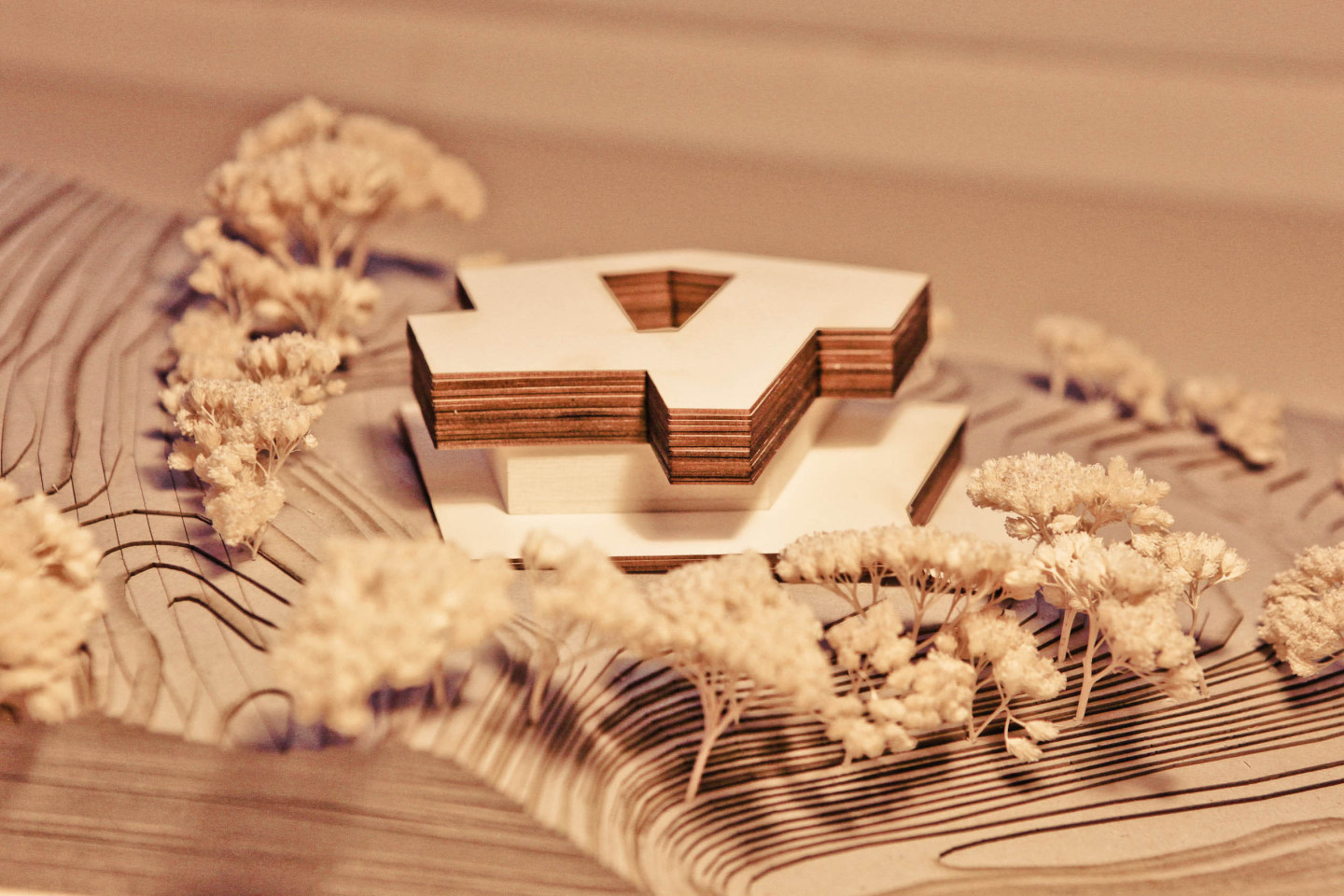
To visually promote the identity of the activities of the wood industry in different locations, PRO HOLZ Schwyz asked for a collapsible and mobile wooden unit in contemporary wood construction. The design envisages a double-layered and space-containing loop lifting the interior space – completely enclosed by wood – off the ground like a bridge. It creates a multifunctional room with two lateral space pockets, that can serve as a stage for surrounding context as well as an introverted, self-referenced room.

Promoter : PRO HOLZ Schwyz
Location : Einsiedeln and other public places in Kanton Schwyz
Project team : Jan Henrik Hansen, Reinhard Prikoszovich, Roman Zulauf
Status :, competition 1st prize, implementation 2015

Photos: Roger Frei, Zurich

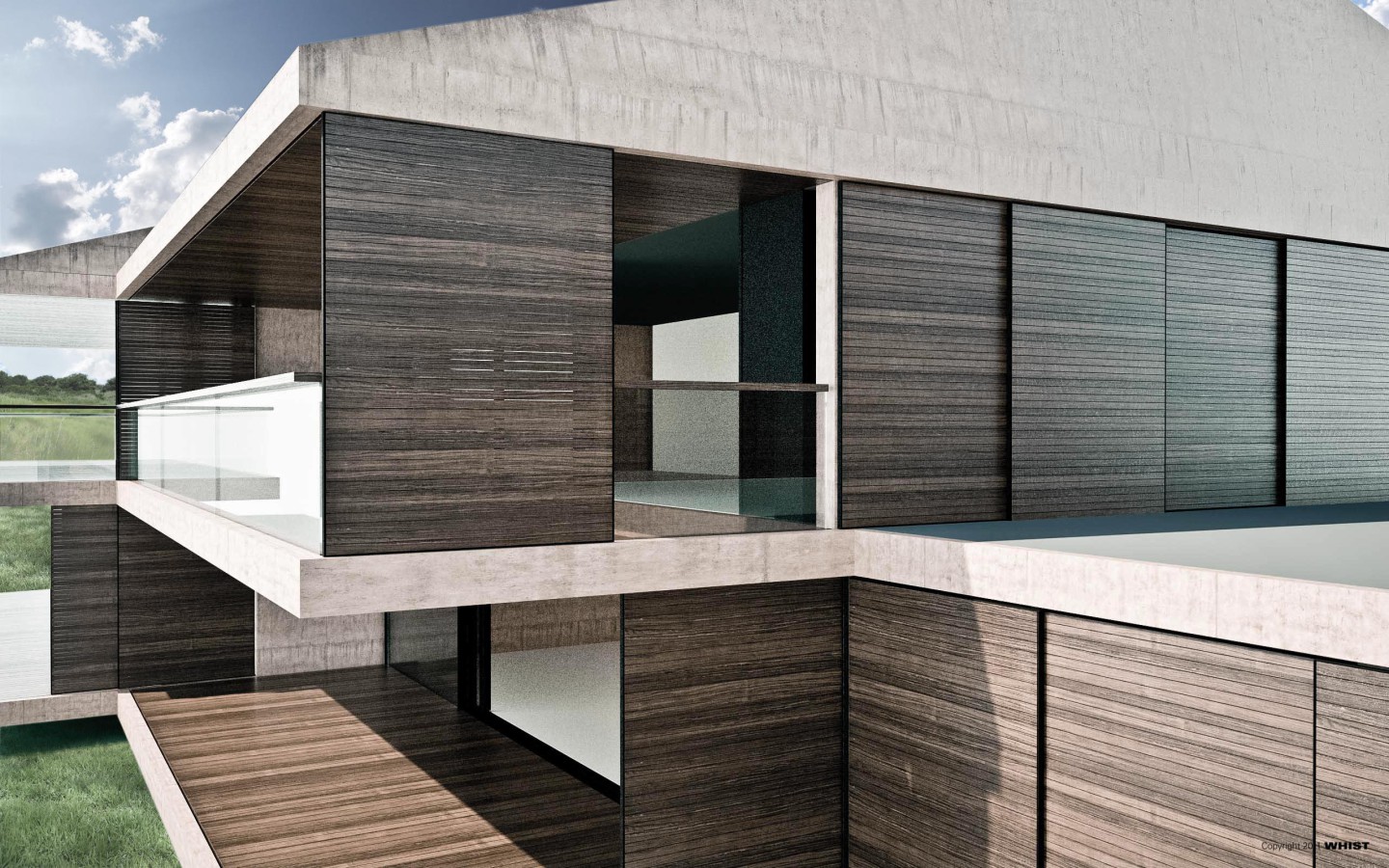
We are developing a three story house on a sloped property with attractive lake view towards the east. The volume is organized around a central atrium, which brings light and an intimate outside area into the deep floor plan. Furthermore it allows to separate the private areas suitably from the rooms for guests and service staff.


Client : private, direct commission 2013
Location : St. Niklausen, Horw
Project team : Jan Henrik Hansen, Stelios Zenieris, Ioanna Intze
Status : construction project 2015

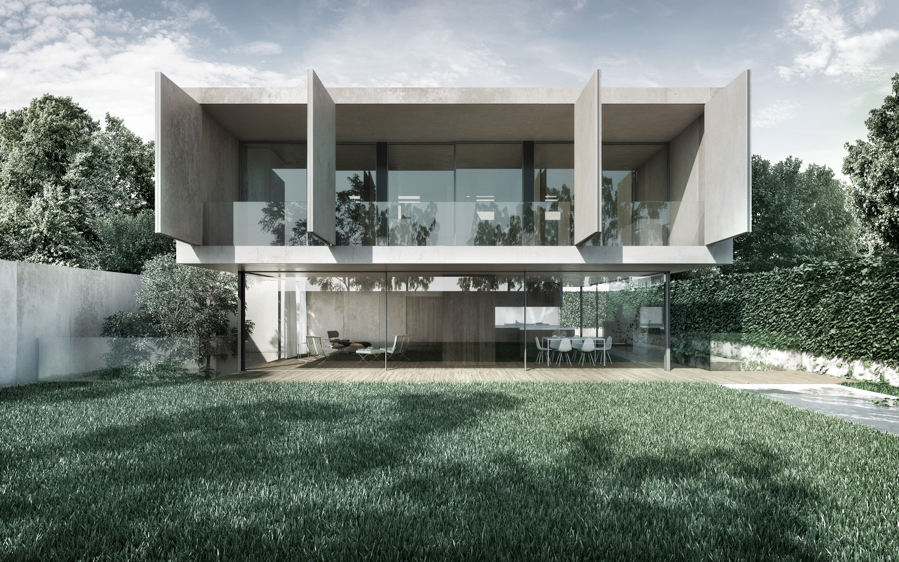
The property is set back from the street and almost invisible within the green. Ground floor and first floor of the new building are differentiated by their relation to the outside space. While the ground floor with structural windows brings the garden into the house visually, the upper floor is framed by a foldable facade in front of the windows, creating more private and versatile spaces. The split level floor structures a room plan from the communal ground floor towards the more private areas towards in the upper and patio floors.

Client : private, direct commission 2009
Location : Königsberger Strasse 16C, Munich, Germany
Project team : Jan Henrik Hansen, Rolf Iseli, Ioanna Intze, Stelios Zenieris, Roman Zulauf
Status : construction project 2013

One-Wall-House, Munich

2nd August 2013

The site is defined by a context of relatively close-standing houses. Therefore the concept interprets the theme of the “wall” as a continuum, that is one single wall that performs all necessary space defining tasks. In the ground floor it encompasses the garden as a facade exploded to the property boundary as to turn it into a part of the living rooms, that can be structurally opened with windows despite the close neighbors. The wall accompanies into the house and along the staircase into the more private upper floor, that it encloses as facade.

Client : private, direct commission 2011
Location : Königsberger Strasse, Munich
Project team : Jan Henrik Hansen, Ioanna Intze, Stelios Zenieris, Roman Zulauf, Rolf Iseli
Status : construction project 2013

Unesco building, Bahrain

14th June 2012

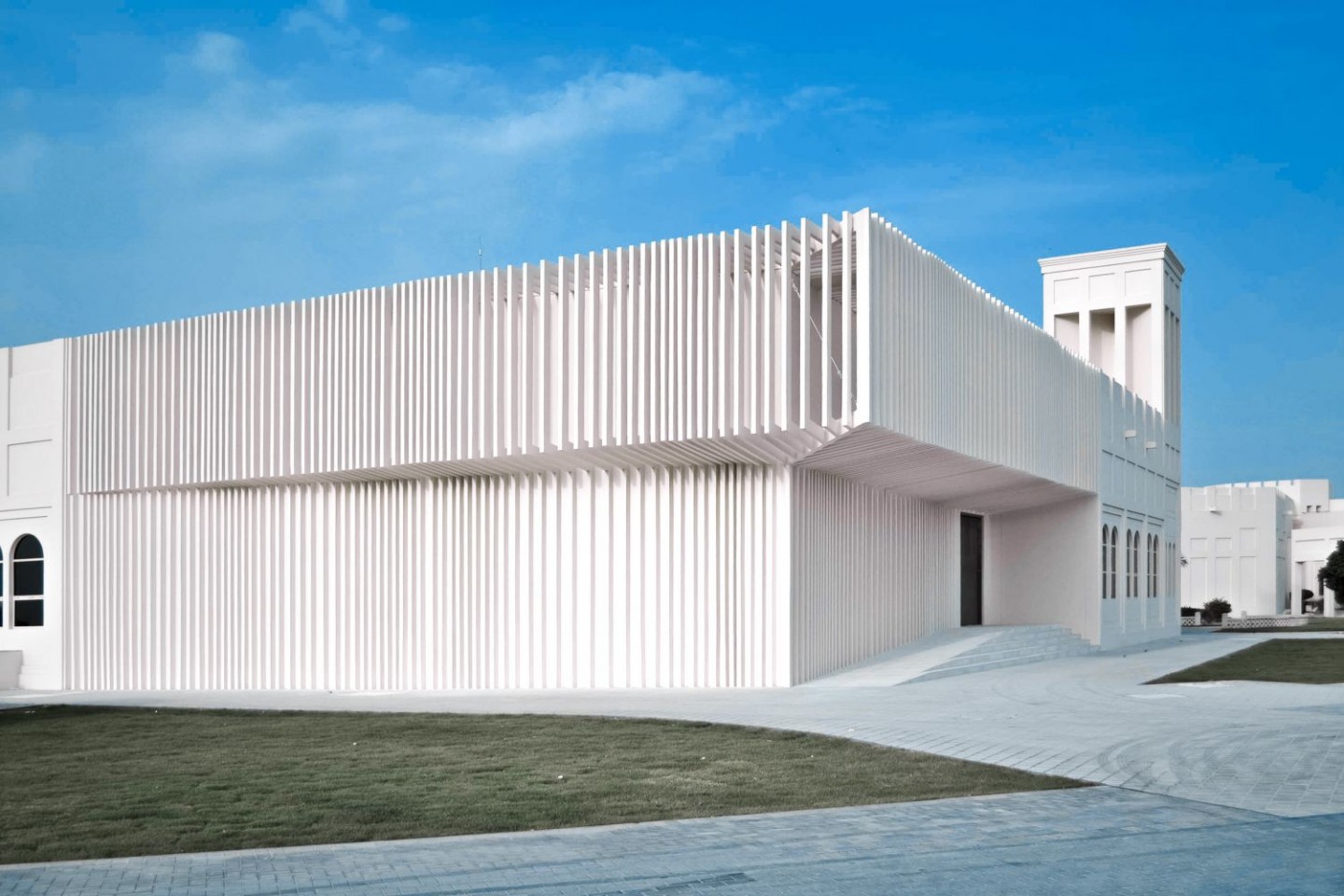
On the occasion of the conversion for the new Center for World Heritage of the UNESCO, a new entrance situation had to be suggested for an existing building in the administrative district of Manama. The formerly slanted facade was dismantled and the structure extended and rebuilt into its former materiality of a simple, right-angled floor plan. The newly added facade on the one hand forms a canopy and ramp for the entrance. On the other hand it represents the central theme of “intangible heritage” by translating traditional local music into the rhythm of the vertical elements of the facade. During day time they create a play of light and shadow on the facade, while at night a light installation transforms the hollow space into a body of light, capable to react with some 140 integrated dimmable LED – lights to sound and other realtime information.

Client : Arab Regional Center for World Heritage, competition 2012, 1. prize (with Sonia Ashour and Daniel Kobel)
Location : Manama, Bahrain
Project team : Daniel Kobel (AGID), Sonia Ashour (AGID), Jan Henrik Hansen, Armin Seltz, Vadim Unger, Rasmus Palmqvist
Status : completed 2012

Baths Mythenquai, Zurich

15th January 2012

The required space allocation plan of the new catering building is separated into four single-story pavilions. They react individually to the surrounding stock of trees and the overarching roof connects them into an ensemble. The therefore separated and partly roofed exterior spaces generate various relationships to the green areas as well as the sand beach on the lake’s shore. Roof support structures made from laminated timber rest in varying heights on translucent wall structures. Walls and overhangs result in sensual light and shadow play through their playful arrangement.


Promoter : Grün Stadt Zürich, open competition
Location : Zurich
Project team : Jan Henrik Hansen in collaboration with Roland Rossmaier Architects
Status : competition completed 2010

Textile Installations

7th January 2012

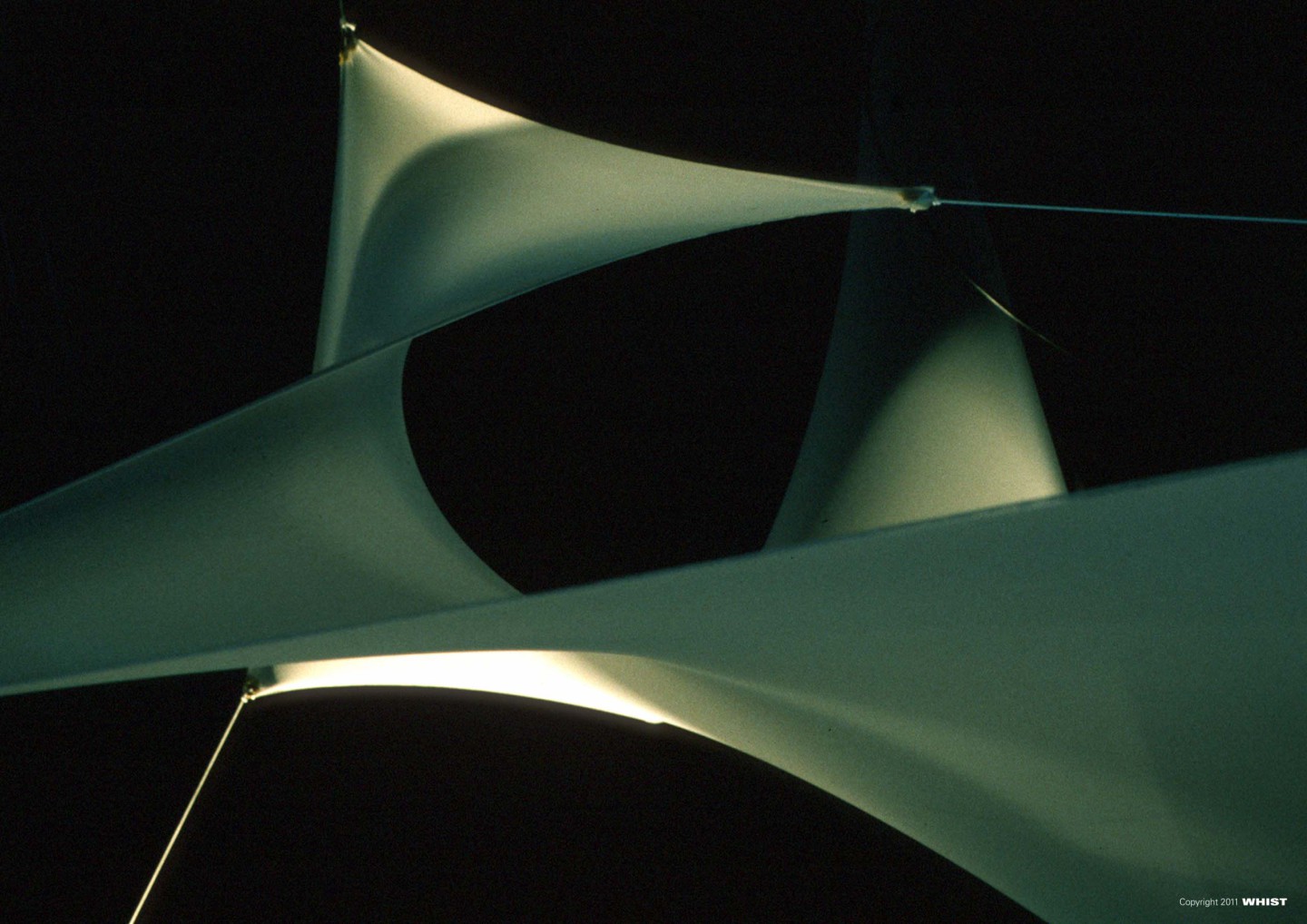
Commissions for temporary installations provide an opportunity to put specific events into scene within given spaces in short time. Textile Hypersurfaces allow for a dramatic manipulation of the appearance of a space with simple means. They constitute fascinating projection carriers for light, pictures and film. Their warp, transparency and superimposition can transform projected pictures into spatial scenarios. The projected content is partly generated in collaboration with light artists and media agencies. As architects we conceive this performance as experience of light and space and inspiration for architectural concepts.


Spaces Clubs
La Defence, Paris Kornhauskeller, Bern Kaufleuten, Zurich UG, Zurich
Kongresszentrum, Davos Dampfzentrale, Bern Oxa, Zurich Rote Fabrik, Zurich
Kunsthaus, Zurich Olmahalle, St. Gallen Flex, Wien Sensor, Zurich
Tonhalle, Zurich Lorenzini, Bern Loft, Lucerne Tarot, Zurich
Kongresshaus, Zurich Lorzen-Saal, Cham SIP, Salon Bleu, Geneva
Messe, Zurich Sihlpapier Areal, Zurich Rohstofflager, Zurich
Schlosshotel, Val Sinestra Casino, Montreux Supermarket, Zurich
Maag Event Hall, Zurich Oberdorfstrasse, Zurich Dubclub, St. Gallen


Project team : Jan Henrik Hansen, Manuel Weber
Status : implemented 1999 until 2007
Photos : Jan Henrik Hansen, Manuel Weber

House Candela, Birchwil

6th January 2012

Essential design concern upon request of the client is the theme of light. The orientation and organization of the building one hand corresponds to the needs of the owner and on the other hand depends on the daily path of the sun.

Particular attention is paid to the two light rooms, which bring natural light from above in both floors. In order to meet the different needs of the residents, a mobile and light transmissive layer is added to the facade, which can be set arbitrarily.

The terrain of the property is shape to provide optimal light for the storey bedded into the sloping site. The otherwise introverted floor opens to the southeast to the morning sun and a private garden area.

The more extroverted ground floor is placed on top of the plot and oriented according to the daily path of the sun to three sides. The main focus is the Southwest with a covered outdoor space and a flat garden. Towards the road in the north the building structure remains largely closed. The main use of the representative, open floor is cooking, eating and living.

Client : private, direct commission 2005
Location : Rooswiesen, 8309 Birchwil-Nürensdorf
Project team : Jan Henrik Hansen, Rolf Iseli, Manuel Weber
Status : suspended after building permit

ETH DFAB Lab, Zurich

6th January 2012

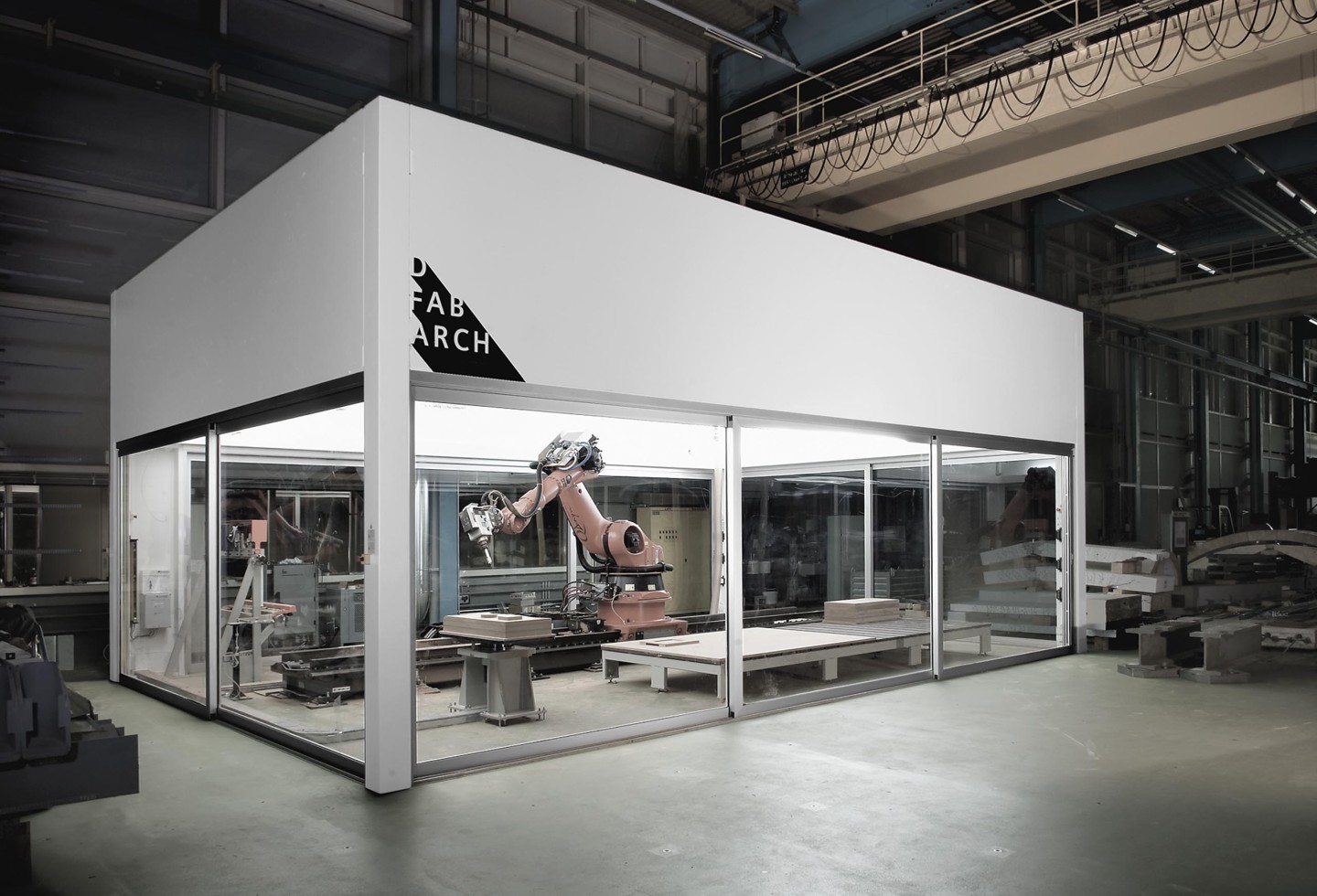
Planning, execution planning and execution of a robot – research facility for the chair Architecture and Digital Fabrication ETH Zurich, in cooperation with the professors Gramazio & Kohler.

For further information: www.dfab.arch.ethz.ch

Client: ETH Zürich
Location: ETH Hönggerberg, Zurich
Project team: Jan Henrik Hansen, Manuel Weber
Status: completed in 2006
Photo: ETH DFAB Lab

Conversion of a shop, Zurich

22nd December 2011

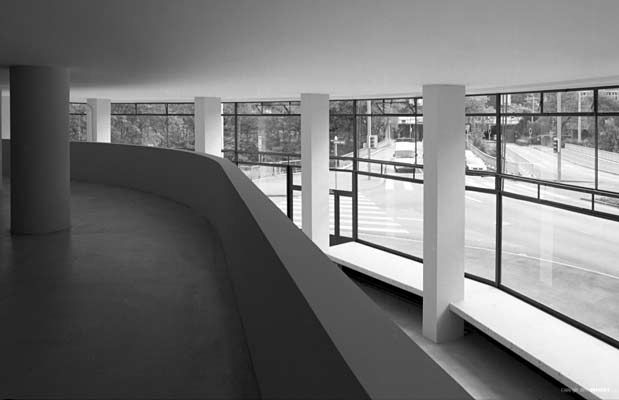
The conversion pursued the laying bare of the structure of the shops from the 1920’s, which have become obscured over the course of time. Besides removing all non-original and subsequently added elements, the existing wooden gallery was demolished and replaced by a new steel-enforced concrete floor slab, which offers a more generous floor area, as well as a contemporary ceiling height and load capacity.

Client : private, direct commission
Location : Stauffacherquai 58, Zurich
Project team : Rolf Iseli (project manager), Jan Henrik Hansen, Manuel Weber
Status : completed 2005
Photos : Flurina Rothenberger

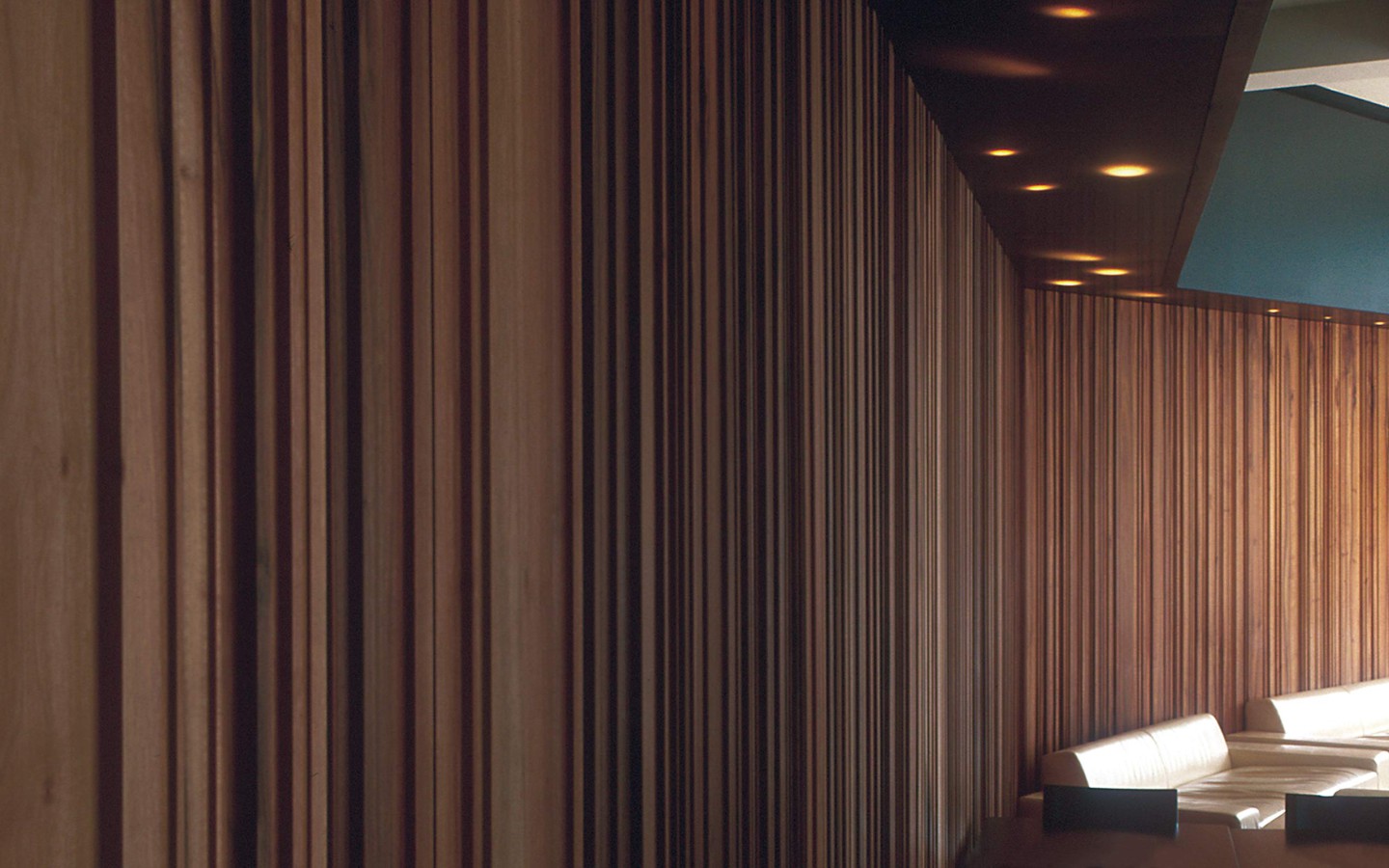
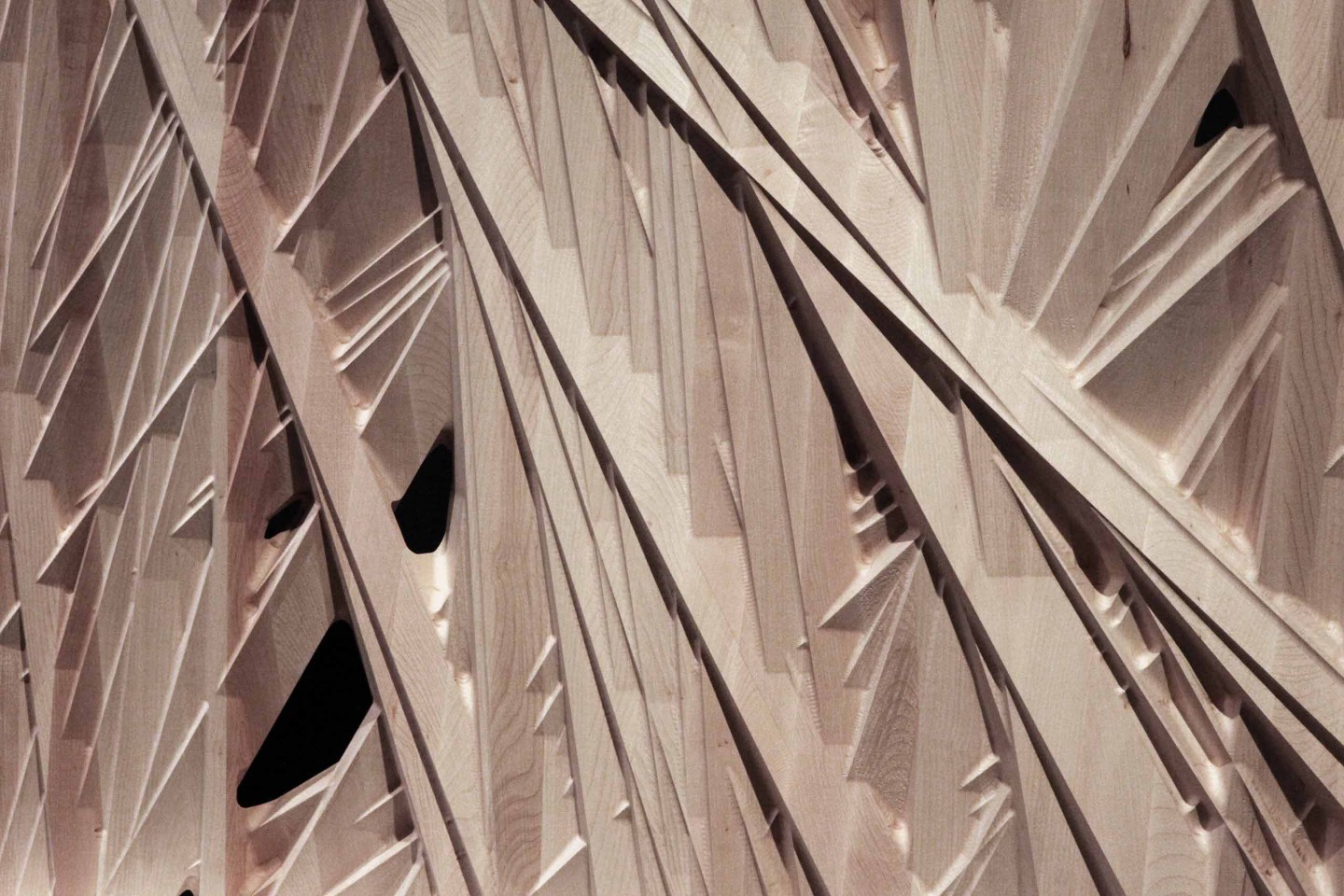
Three new identity-creating elements create the character of the bar, after the clearing of the building structure. Firstly an existing opening to the basement was utilized for the construction of a so-called descending front. It can create a classic arcade situation at the press of a button, by lowering the windows completely into the basement. This enables the conversion into a roofed outside area, which is particularly of advantage in the summer. The back walls of the bar are made of solid walnut and form an atmospheric backdrop with a plastic relief that also acts as a sound diffusor. In the basement the relocation of the building installations enabled the recreation of the original ceiling height: Thus the construction of the toilettes as a free standing concrete monolith by way of a room-in-room concept was possible and realized.

Client : Bar Restaurant Forum Gastro AG, direct commission 2004
Location : Badenerstrasse 120, Zurich
Project team : Jan Henrik Hansen, Rolf Iseli, Phil Steffen, Manuel Weber
Status : completed 2004

Facade studies

8th December 2011

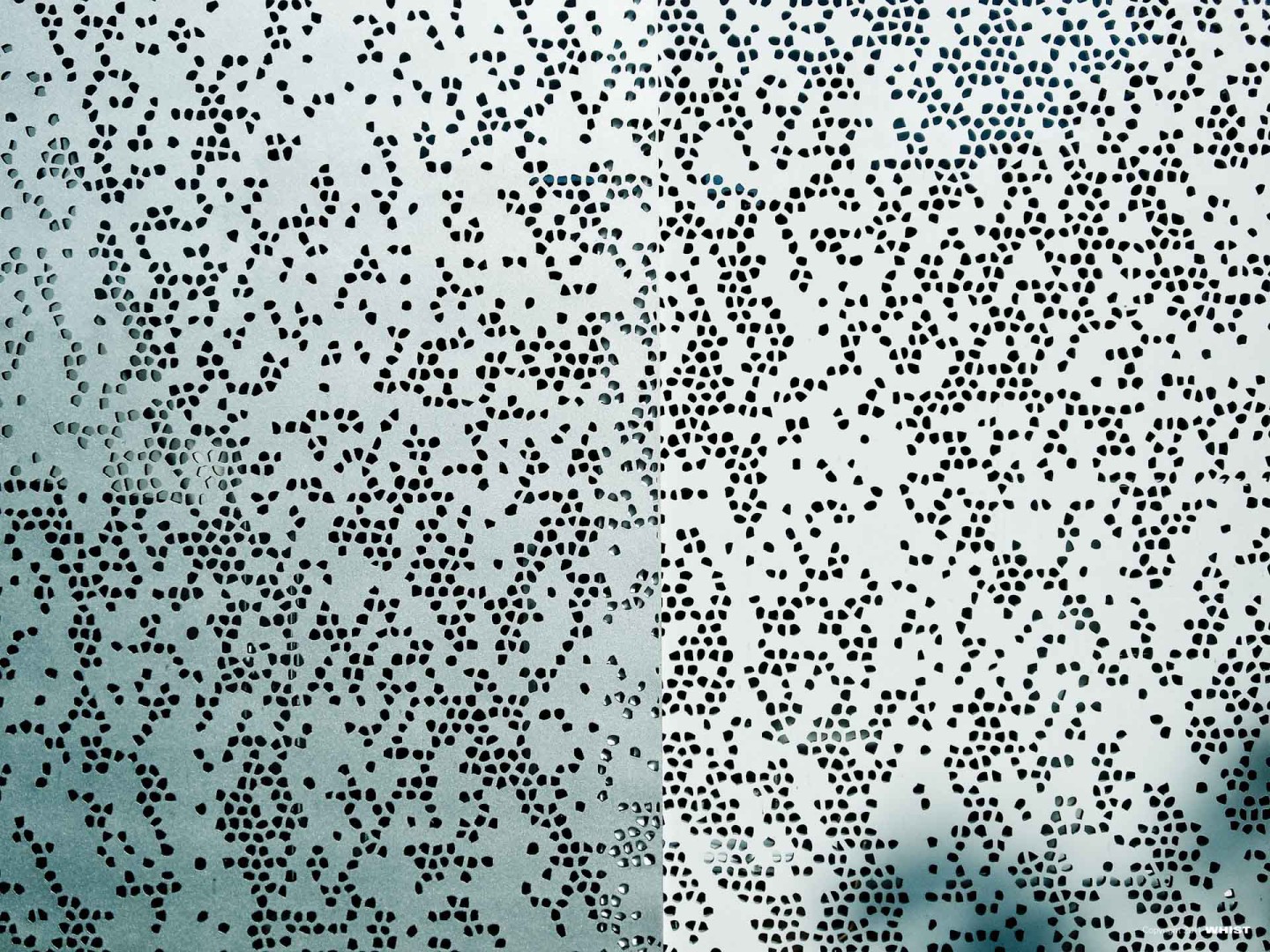
On the occasion of a construction project we developed a series of prototypes for perforated facade elements. They use the possibilities of computer-controlled manufacturing techniques and the extensive aesthetic potential to create custom-made, non-repetitive components at a competitive price.

The aim was to develop a mobile layer before glazing creating a visual filter with manifold and variable conditions between the interior and exterior spaces, as well as cladding of closed facades, as an alternative to conventional facade systems.
Research : in collaboration with August Brühwiler AG
Status : prototypes completed in 2006

The Architecture of Music

8th December 2011

The project “The Architecture of Music” is one of our research projects and deals with the relationship between the disciplines of architecture and music.

The fascination for both disciplines, as well as the education as musician and architect led to investing comprehensive thoughts on this subject in 1998 during an internship with Peter Eisenman in New York. The ancient Greeks had philosophized about the analogies of the two disciplines, as well as Goethe, Le Corbusier and many other personalities dealt with the issue and expressed their thoughts. Schopenhauer said “Architecture is frozen music”, and Siegfried Gidieon wrote: “You can read every facade as a musical score”. A book called “Digital Mantras” brought us to develop alongside the conceptual thought a possible physical link between the disciplines by means of computers and software.

Through a collaboration with Dr. Christian Patron, who did a doctorate in the subject area of Augmented Reality at the time, it was possible to establish a precise communication between the software worlds of the two disciplines. This was achieved by using a third program developed by us which permits a translation of the relevant data from one to the other world. Thus it is possible to transfer musical notes into spatial objects, but also very different approaches of translation can be defined.

We have patented these tools and already used for a number of projects. On the one hand we are working on free, sculptural works that were shown in the Swiss Architecture Museum in Basel on the subject of architecture and music. On the other hand this concept inspires our architectural and interdisciplinary projects, such as the facade of the UNESCO building in Bahrain, the US National Anthem, the project for the Bath Mythenquai, the FORUM Wall etc. We have been reporting on the results of our research in a number of presentations and universities lectures, as well as a TED Talk in 2012.

More information: www.jhh.ch

White Box

8th December 2011

This commission for the planning of an exhibition stand was conceived to display multi-layered façade prototypes that were fabricated by computer-controlled tools. The mobility of the facade elements creates interesting effects concerning light transmittance and transparency by the superposition of inverse patterns.


Client : August Brühwiler AG
Location : different construction fairs
Status : completed in 2006

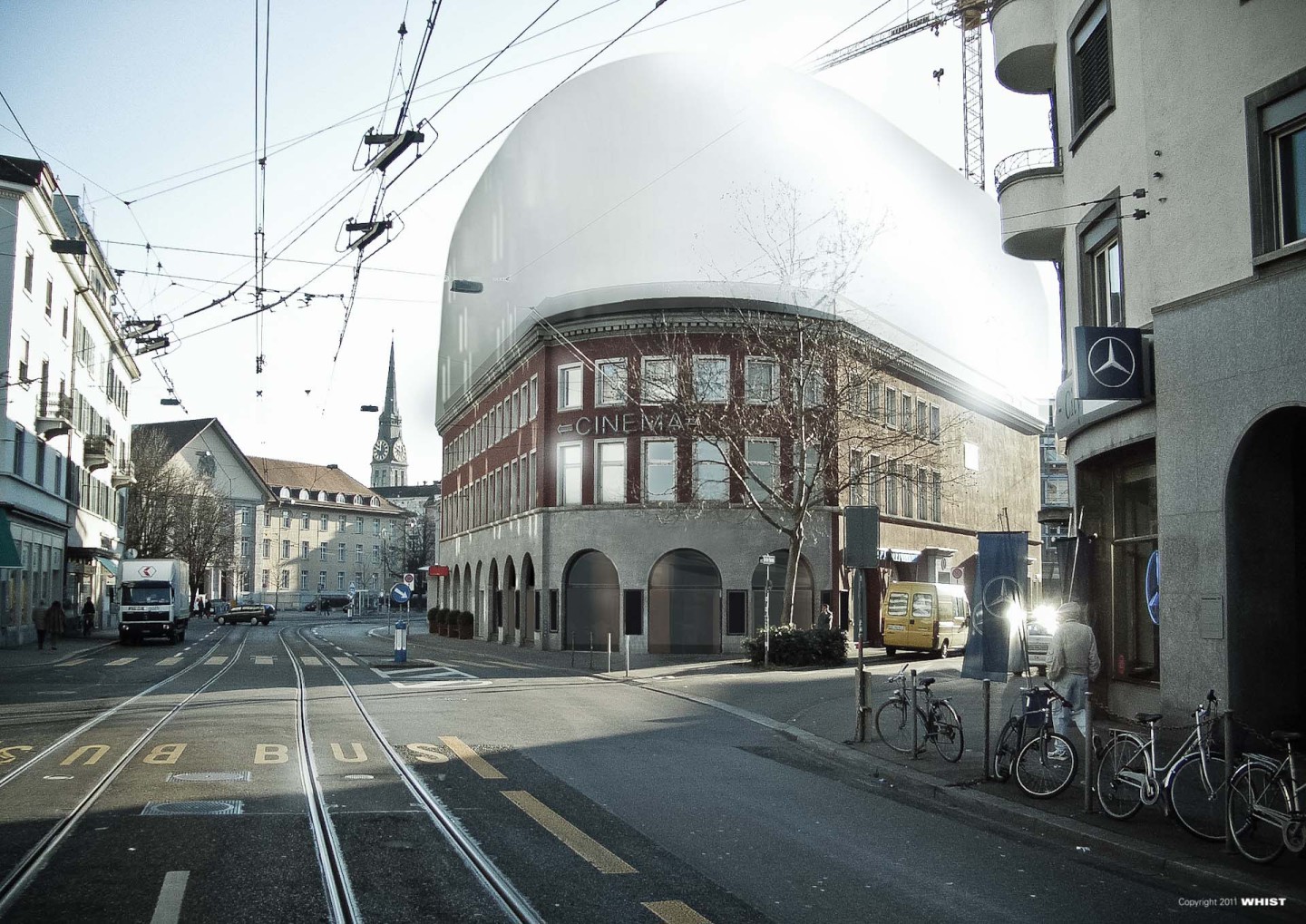
A single prominent city-owned building occupies the triangular lot at a central location in Zurich’s district 4. According to applicable zoning regulations the allowed building height is substantially higher than the current building. This potential has been studied in a commission by the client and discussed with the relevant authorities. The City Council and Department for the Preservation of Historical Monuments are open to the vertical extension, but the clients want to wait for a neighboring large-scale project in light of a potential shortage of parking spaces before continuing with the project.
 
Client : Retag AG, Direktauftrag 2008
Location : Plaza, Badenerstrasse 109, Zurich, Schweiz
Project team : Jan Henrik Hansen, Rolf Iseli
Status : Feasibility study

The office of the event agency in the heart of Palma de Mallorca receives a new face within a historic building. Facade, signage and interior design have been defined so that a clear, transparent space enters a relationship with the promenade, while back office and serving spaces remain secluded.

Client: Hansen & Partners SA, direct commission 2010
Location: Calle Fabrica 41b, 07013 Palma de Mallorca
Status: completed in 2011

The site possesses an impressive view over Zurich, the lake and the mountains thanks to its excellent location on the Zürichberg. The building geometry was developed as a result of maximization of space and legal framework. In order to let the surfaces of the volume respond to light and environment through their inclination angle, a sculptural relief in anodized aluminum was developed for roof and facade, which gives the building a natural appearance, despite its materiality. The building’s facade facing the street reacts introverted with hole windows, while it opens generously on the southern and western facades with panoramic windows for views. In the climatically open staircase, a perforation of the building skin causes a textile-like shell that accompanies the transition from public to private space with a play of light and shadow. It gives access to three apartments that develop over four floors : a top appartment with roof terrace, an upper floor apartment and a two-story apartment with garden access. The exterior spaces recessed from the building`s facade are generating spaces with a haptic quality in solid wood. The roof terrace is invisible from the surroundings.

Client : private, direct commission
Location : Zurich Witikon, Switzerland
Project team : Jan Henrik Hansen, Ioanna Intze (project manager), Vadim Unger, Manuel Weber
Status : completed 2014
Photos : Jan Henrik Hansen

Design for four residential units located on a south facing slope with extraordinary view to the Alps. All living rooms are therefore equipped with spacious and covered outdoor areas.

Client : private, direct commission 2010
Location : Boll Vechigen
Project team: Jan Henrik Hansen, Rolf Iseli, Vadim Unger
Status : construction project (not implemented)

Starting point of the design was the requirement to create a new building over the existing car park of the sports center, and to ensure the spatial and operational connection to the existing infrastructure. The polygonal geometry of the hall volume was defined precisely by the spatial requirements of the badminton game.

The exceptional clear height of the inner space is contrasted by the rather flat parking field being open to the environment. The bearing of the hall is put into scene by a grid of specifically formed columns that in conjunction with the ceiling form a stiff concrete table. On it a steel skeleton structure spans a column-free interior over the five playing fields.

The spatial characteristics of the game of badminton can therefore be experienced from inside and outside by the rhythm of the supporting structure as well as the geometry of the hall volume.

Client : Sihlsports AG, direct commission 2011
Location : Langnau am Albis
Project team : in collaboration with Rolf Iseli, Jan Henrik Hansen, Ioanna Intze, Roman Zulauf, Vadim Unger, Armin Seltz
Status : Completion 2014
Photos: Roger Frei, Zurich

>